
Our Team.
Peer- reviewed publications
Team members
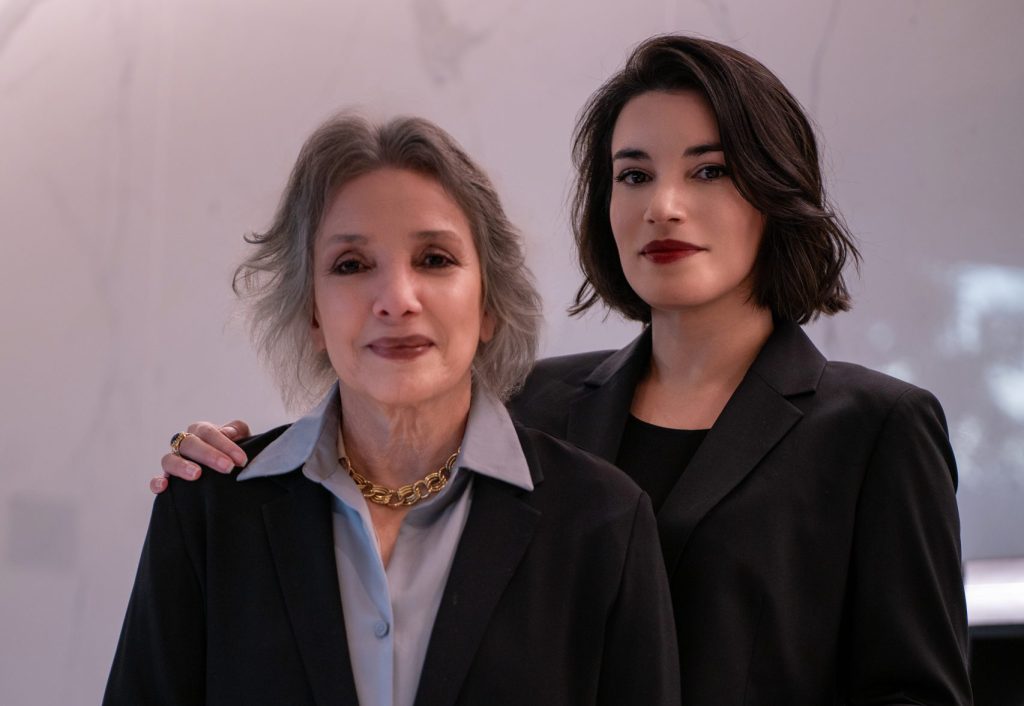
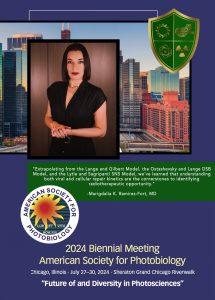
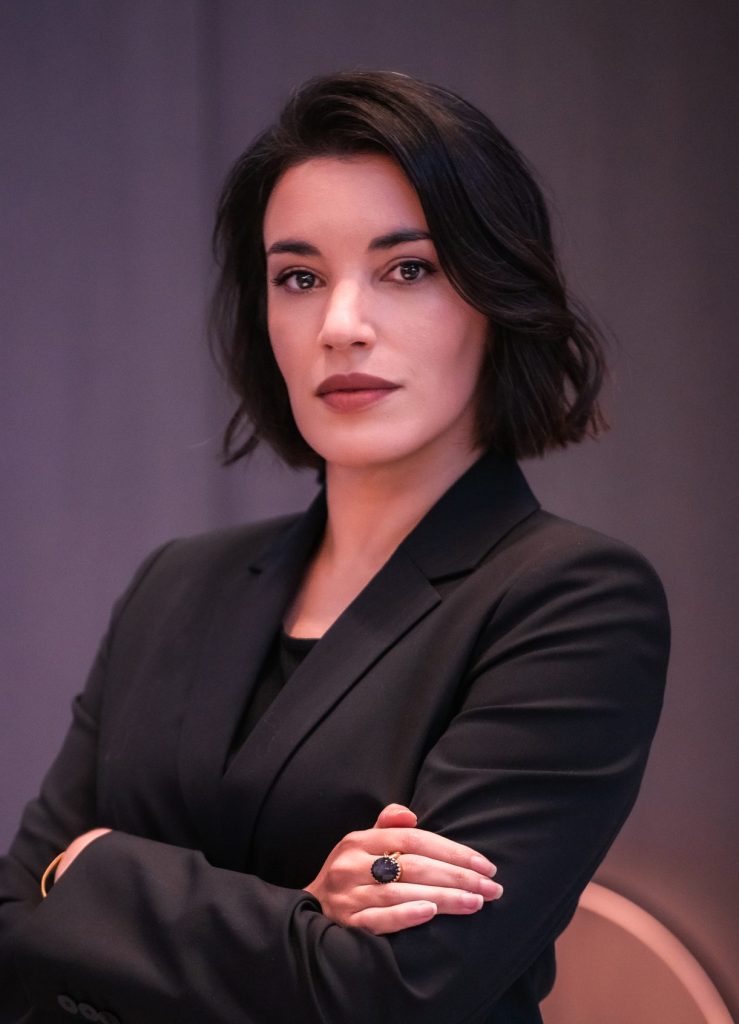
Marigdalia K. Ramirez-Fort, MD
Chief Executive Officer | Physician-Scientist
Marigdalia K. Ramirez-Fort, MD is BioFort’s President and Chief Executive Officer. A native of San Juan, Puerto Rico, Dr. Ramirez-Fort earned her undergraduate degree at Lehigh University and medical degree at Ponce School Health Sciences University. She completed a general surgery internship at the University of Pittsburgh Medical Center. Since then trained in radiation oncology at the Medical University of South Carolina, jointly with a postdoctoral research fellowship in urological oncology at Weill Cornell Medicine.
By way of residency training and multiple post-doctorates, Dr. Ramirez-Fort has acquired a solid academic foundation in multiple clinical/medical disciplines including dermatology, rheumatology, infectious diseases, surgery, urology, and oncology. She also has an eclectic translational research background in virology, cellular immunity, autoimmunity, tumor biology, immunotherapy, vaccine development, cytotoxic drug development, antibody-based endocurietherapy and clinical trial design. Her academic preparation is supported by a decade long track record of peer-review publications. Dr. Ramirez-Fort has authored more than 80 articles, abstracts and book chapters, and served as the lead editor for a textbook on human papillomavirus for Karger Publishers. She has run over 27 investigator-initiated or pharmaceutical sponsored clinical trials as sub-, co- or principal investigator. Throughout her career as a physician-scientist, Dr. Ramirez-Fort has been involved in a wide range of preclinical and clinical research, including studies involving the effects non-ionizing and ionizing radiation on a cellular and organismal level.
Via BioFort, she aims to optimize the equal opportunity of underrepresented minority individuals to access education, advocacy and healthcare. Her current research interest involves the use of electromagnetic radiation within the ultraviolet and X-ray to Gamma-ray wavebands to disrupt the genetic material of infectious agents and mammalian cells. She has a clinical interest in cancer patient advocacy, management of acute and late radiation toxicities, pigmentary disorders of the skin, skin cancer, infectious diseases and sexual medicine for all genders. For a complete listing of peer-reviewed medical journal publications, please see: https://pubmed.ncbi.nlm.nih.gov/?term=ramirez-fort&sort=date
Dr. Ramirez-Fort is accepting new patients from Puerto Rico and New York. Feel free to contact us. For questions about available services or to make an appointment, send an email to info@biofort.io or appointments@biofort.io, respectively.
If you are an existing patient and require a medication refill, send an email to refills@biofort.io with your name, date of birth, and medication name.
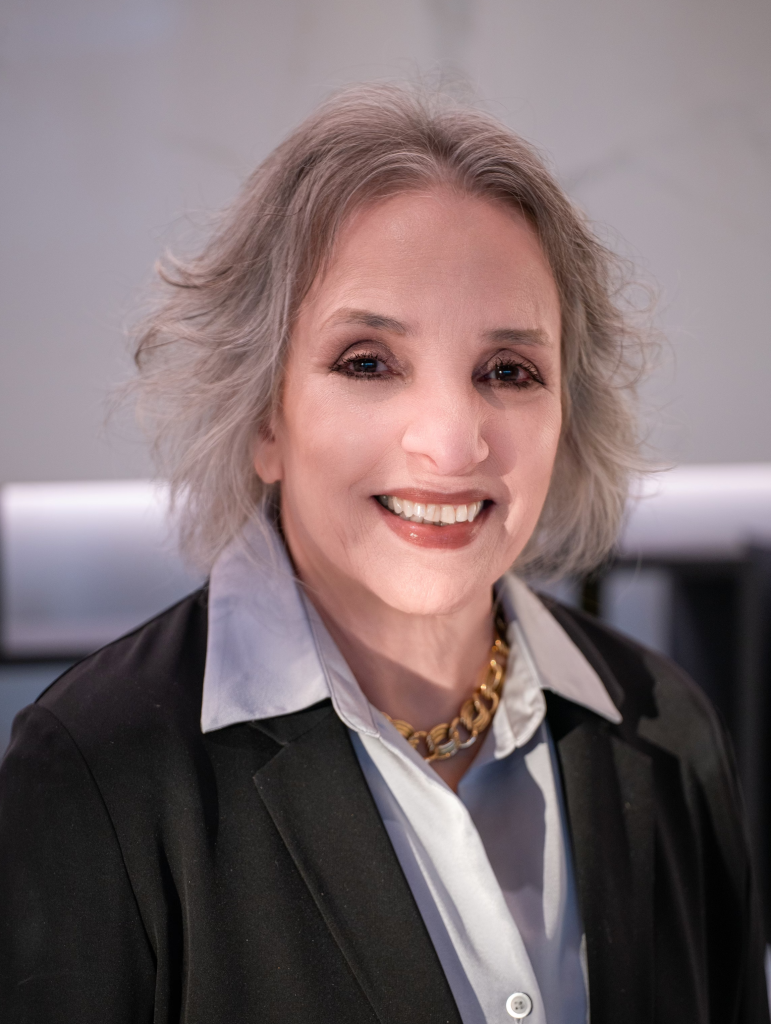
Migdalia Fort, MD
Chief Medical Officer | Psychiatrist
Migdalia Fort, M.D. is an award-winning psychiatrist with 40 years of clinical experience in academic, private and federal practice. Dr. M. Fort received her medical training at Zaragoza School of Medicine in Zaragoza, Spain and completed her psychiatric residency at the University of Puerto Rico in San Juan, Puerto Rico. She completed fellowships in child and adolescent psychiatry. Dr. M. Fort is also a Diplomat and Fellow of the American Board of Disability Analysts.
Dr. M. Fort is the Chief Medical Officer and staff psychiatrist at BioFort. She has a clinical interest in trauma, crisis intervention, sexual health (all genders), and onco-psychiatry, particularly in coping with end-of-life situations. Her research interests focus on psychosexual therapy and development of the masculine and/or feminine self-esteem(s). She is also interested in oncology research. Dr. M. Fort has recently published a seminal review on the psychiatric management of sexual dysfunction arising from prostate cancer radiotherapy [https://pubmed.ncbi.nlm.nih.gov/32536830/].
Dr. M. Fort is accepting new patients from Puerto Rico, Michigan and Virginia. Feel free to contact us. For questions about available services or to make an appointment, send an email to info@biofort.io or appointments@biofort.io, respectively.
If you are an existing patient and require a medication refill, send an email to refills@biofort.io with your name, date of birth, and medication name.
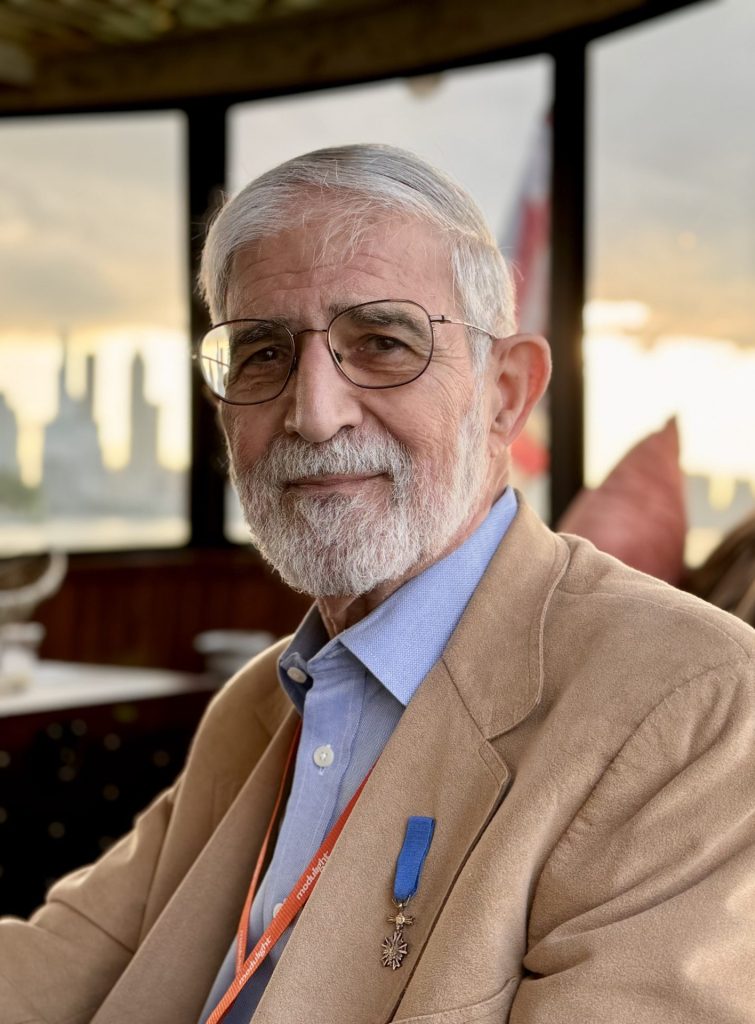
Christopher S. Lange, DPhil, KCOM
Chief Scientific Officer | Radiation Biologist
Christopher S. Lange’s, DPhil, KCOM entire career has dealt with understanding the mechanisms of how ionizing radiations affect molecules (especially DNA and the induction and repair of double strand breaks), how the kinetics of those changes affect cell survival, and how changes in cell survival determine the survival of tissues, organisms, and tumors. This has led to many seminal works, often more than a decade ahead of the field. These studies have also shown the importance of radiation research in many other fields of science (physiology, cell biology, structural biology, genetics, biophysics, polymer physical chemistry, etc.) and medicine (radiation oncology, dermatology, urology, etc.).
Prof. Lange’s scientific interests led him to baccalaureate studies at the Massachusetts Institute of Technology. At MIT he created for himself a then nonexistent Biophysics degree, by majoring in Physics and taking all of the theory courses that were required for Chemistry, Biology, and Math majors, as well as a minor in Philosophy. Among his Professors were: Victor Weisskopf (Particle Physics), F.E. Low (Quantum Theory), Harold Edgerton (Stroboscopic Photography), Norbert Weiner (Cybernetics).
Upon graduation from MIT (1961) with an S.B. in Physics (minors in Biology, Chemistry, Math, and Philosophy and thesis in Alex Rich’s lab on x-ray crystallography – isolation from rabbit muscle, crystallization and unit cell determination of diphosphofructo aldolase), Lange went to Oxford University. There he worked in Frank Ellis’ Radiation Therapy Department in the Churchill Hospital, as a Medical Research Council Research Assistant, and subsequently at the Paterson Laboratories of the Christie Hospital & Holt Radium Institute in Manchester, as a tenured Research (later Senior Research) Officer in the National Health Service, in both places under the tutelage of Professor Laszlo G. Lajtha (a founder of the field of stem cell kinetics; later CBE). Lange received his doctorate from Oxford University (D.Phil., Fac. Med.) in 1968. His thesis was on The Mechanism of the Radiation Effect at the Cellular Level.
In that thesis he showed that one could explain the survival of irradiated animals (and vital tissues) quantitatively in terms of their number of stem cells, the probability that a stem cell could repopulate the animal’s pool of stem cells and the slope and intercept of their dose versussurvival curve. This was the first work to provide a cellular explanation of multi celled organismal survival. This seminal work led CS Potten, JH Hendry and NP Roberts, to apply this model to explain mouse gut death syndrome and develop the concept of Functional Survival Units(crypts in terms of stem cell survival and gut in terms of crypt survival), 14 years later. 19 years later EL Travis was inspired to apply the same model, for radiation-induced lung syndrome mortality in mice and humans. These findings formed the basis for our current understanding of acute radiation effects in hierarchical (stem cell based) tissues.
While in Manchester, Lange noted that the original data for Sub-Lethal Damage (SLD) and its repair were based on cells (V79) that maintained a constant survival curve reciprocal slope (D0) throughout the cell cycle, changing only the extrapolation number (n; extrapolated slope zero dose intercept) from M to G1 to S to G2. Using HeLa cells, Lange showed how one could discriminate between the contributions to split dose recovery from changes in D0 and n, and thus separate changes in survival due to progression-induced altered sensitivity as opposed to repair.
Upon Lange’s return to the USA in 1969, he succeeded to the Chair of Prof. Shigefumi Okada in the Departments of Radiology (under Prof. & Chair L.H. Hempelmann) and of Radiation Biology & Biophysics (the Atomic Energy Commission Rochester Project for peaceful uses of atomic energy), as an Assistant Professor at the University of Rochester School of Medicine & Dentistry, Rochester, NY (1969-80).
With a National Cancer Institute Research Career Development Award (1972-77), Lange showed that double-strand breaks (DSBs) in the DNA double helix are reparable in mammalian cells (previously they were thought to be irreparable and lethal). This work was contemporaneous with that of Corry and Cole, who used a different cell line. The original DSB measurements of both labs used sedimentation analysis. The rotor-speed dependence problem led Lange to spend a sabbatical year with Prof. Bruno Zimm, who had developed the theory explaining rotor-speed dependence (RSD), and using viscometry and viscoelastometry, Lange showed that all three methods produced the same results, and in a quantitative test of the RSD theory, showed it to be correct. Subsequently, with Bjorn Cederval (Karolinska Institutet), Lange showed that pulsed-field gel electrophoresis data, properly interpreted (the data fall on a theoretically predicted sigmoid curve, allowing one to determine the background breakage as well as the average number of DSBs necessary to produce the observed fragment size distribution, as a function of dose) provide the DSB induction and rejoining kinetics necessary for relating DSBs to cell survival and viral survival of plaque-forming ability. Lange, with Mort Miller et al., also showed that, like x-rays, diagnostic ultrasound can cause chromosome breaks, DNA DSBs, and scavengeable free radicals.
Lange then returned to New York City, as Professor of Radiation Oncology and Director of the Radiation Research Division at State University of New York Downstate Medical Center (now SUNY Downstate Health Sciences University). There, with his students and staff, he showed that:
(1) the repair kinetics of SLD (so-called Sublethal Damage Repair, actually, Split Dose Recovery), PLD (potentially lethal damage) and DSB rejoining, are identical and hence the molecular basis of these descriptive terms for irradiated cell survival changes are likely to be DSB repair, and there is a gender and age dependence for DSB induction and repair in human lymphocytes;
(2) changes in survival of monolayer cells subjected to trypsinization or delayed plating are due to changes in nuclear geometry and chromatin conformation;
(3) the survival of irradiated mammalian cells can be explained quantitatively in terms of the kinetics of DNA Double-Strand Break rejoining (the DSB model) – the cells which survive are those that have repaired all of their DSBs. He also showed that the initial slope of the cell survival curve is not due to irreparable damage, but on the contrary is related to the genomic DNA content times the radiation yield for DSB induction times the exponential of the ratio of the time available for repair divided by the time constant for DSB repair. This permitted the demonstration that the DSB model predicted time available for DSB repair and that measured by determining when it is too late to alter post-irradiation conditions to obtain an increase in survival, are the same. This time was different from when the survival maximum in a delayed plating experiment is achieved (as incorrectly predicted by the RMR and LPL models). This work was contemporaneous with the Frankenbergs’ demonstration in yeast that the repair of SLD and PLD both require DSB rejoining;
(4) mammalian chromosomes behave like polymers during the time between cell divisions and their shape and dynamic behavior can be explained in terms of polymer theory. This led to the Ostashevsky and Lange clustered loop model of chromosome structure, in which the mammalian chromosome is composed of a series of clusters of loops (10-20 loops, each containing about 2 million base pairs of DNA) of the DNA-containing chromatin molecule). This model explains why chromosomes have discrete domains which can be seen by chromosome painting, and predicts why certain chromosome aberrations (and cancers) are more readily formed in some tissues than others.
(5) Lange and Djordjevic also developed and patented an assay that shows that human tumors are based on cancer stem cells (CSCs), the elimination of which is a necessary and sufficient condition for cancer cure. The bulk of the tumor is composed of differentiating cells which cannot spread the tumor and which are destined to die. Thus, treatments which rapidly reduce the bulk of the tumor kill these cells but the tumor then recurs from growth and repopulation from the CSCs. Their Hybrid Spheroid Assay provides a method for the culture of CSCs that mimics the stem cell niche (microenvironment) needed for stem cells to remain stem cells, and they adapted this method to test the sensitivity of these CSCs to each component of a proposed therapy, with the aim of being able to individualize the treatment to the patient. Lange’s preliminary data show that this assay can correctly predict which patients will fail their standard of care treatment for endometrial cancer due to the radioresistance of their CSCs.
(6) Lange, with his students, first visualized the cancer stem cell (CSC) niche (micro-environment) for solid (human) tumors. By modeling the growth and differentiation of CSCs, he proposed that CSC growth is limited by the parallel growth of niche sites (failure to find a vacant niche leads to differentiation) and thus, the niche could become a second critical target for cancer therapy.
Lange also became a Professor of Physiology & Biophysics and then of Molecular & Cell Biology in the SUNY Downstate School of Graduate Studies (1992- ), Associate Director of the Radiation Oncology Residency Program (1998- ), and Associate Chair of Radiation Oncology (2010-2016).
Lange has been honored with several awards, including: (1) The Knight’s Cross, Order of Merit, Republic of Poland (KCOM), awarded by the President of Poland (11/21/2004) for outstanding contributions to Polish Science and Education; (2) an Honorary Lifetime Consultantship to the Swietokrzyskie Centrum Onkologii, (Holy Cross Province Oncology Center), Poland (2005); (3) named Scientific Advisor to the New York State Assembly (13th and 16th ADs; 2010-present); (4) election to the Board of Directors (1999-2005) and the Executive Committee (2002-05), and College of Distinguished Lecturers (2019-2021) of Sigma Xi, The International Scientific Research Honor Society; (5) the Presidential Certificate of Gratitude for Contributions to Science, Faculty of Science Presidential Distinguished Lecturer, Hirosaki University, Japan (1979); and (6) election as an Honorary Member, Omicron Delta Epsilon (International Economics Honor Society) (1978). Lange is a biographee of many Who’s Whos, and since 2006, annually, of Marquis’s Who’s Who in the World. Lange received the Marquis Who’s Who Lifetime Achievement Award in 2017 and annually thereafter. He also serves on the editorial board of Medicine & Public Health (2017-present) and as a reviewer for 29 professional journals.
Joseph Castrofort, Esq
General Counsel
Joseph Castrofort, Esq is BioFort’s in-house General Counsel, business adviser and civil notary. He is admitted to the Florida Bar, U.S. Federal District Court for the District of Florida.
At present, Mr. Castrofort provides BioFort with guidance on a wide range of issues including corporate compliance with regulations, such as ADA, HIPAA, Title VI, Title VII, and Title IX.
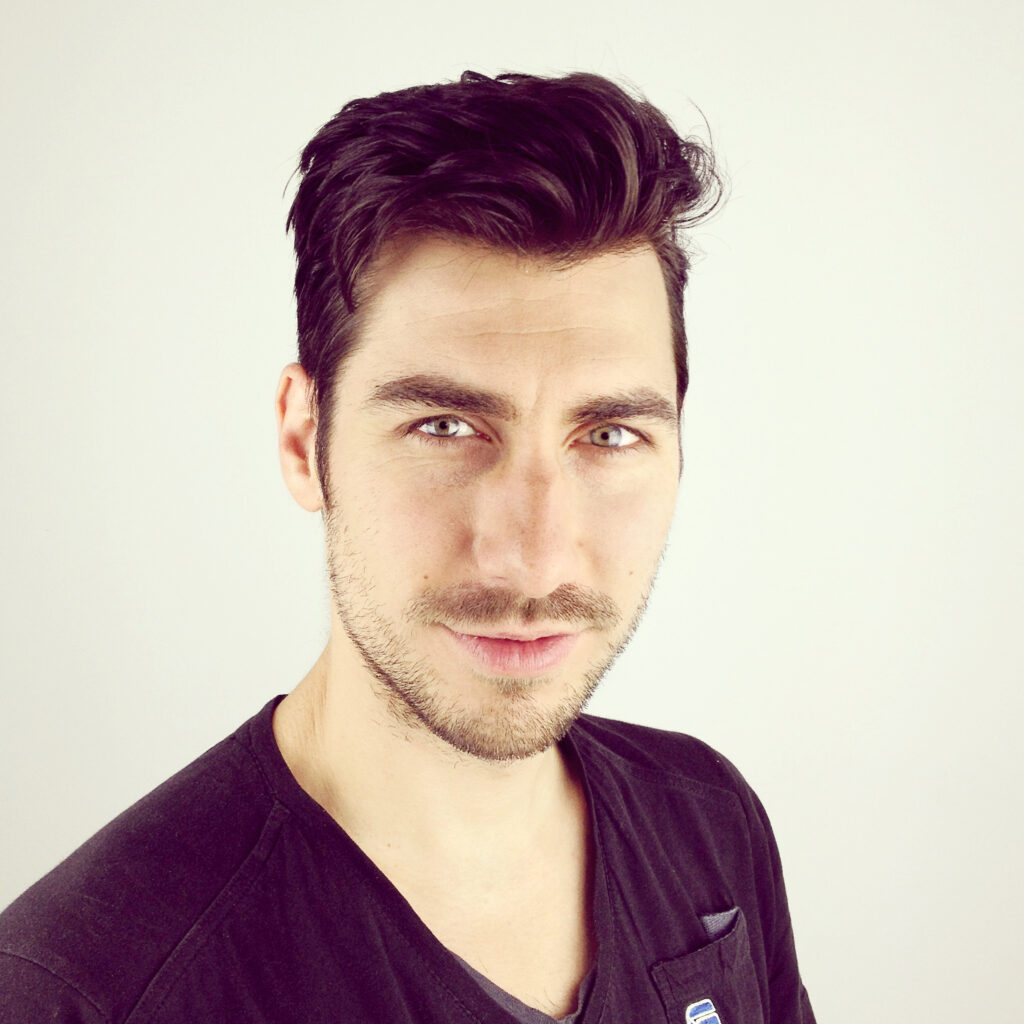
Joze Basa, MS
Chief Technology Officer | Physicist
Joze Basa, MS serves as BioFort’s Chief Technology Officer and Film Director/Producer. At BioFort, he aims to leverage his experience in physics, film, and information technology (IT) to create educational film series and to develop the next successful health IT platform towards optimizing the equal opportunity for Puerto Ricans to access education and healthcare.
Mr. Basa is an Artist-Scientist. Specifically, he is a physicist, award-winning film director and an experienced IT specialist. After completing a Master Degree in Physics at Ljubljana University, he dove straight into film/video production. Film, permitted him the opportunity to express his in-depth knowledge of light and optics, in a creative way—a fulfilling way.
In his 20s, he achieved the Slovenian equivalent of the United States’, Oscar Award. At the 2005 Slovenian Film Festival, Mr. Basa’s fiction film, “Voda v očeh” / “Eyes Full of Water”, won the Vesna Award for Best Screenplay, the Audience Award for Best Film, and the Critics Award for Best Film. To achieve these meritorious awards, he had drafted the screenplay, led a team of 50 members, and finally, directed the film. Shortly after, in 2006, Mr. Basa was named “the most talented person of the year”, by the Slovenian film organization, Društvo Slovenskih Filmskih Ustvarjalcev (DSFU). In 2009 he continued to pursue his passion for film, by directing and leading a creative team to develop a 7-film series of international fictional documentaries in Hungary.
In 2010, Mr. Basa was reconnected with his scientific underpinnings. He produced a medical film called, Hair In Vitro, that chronologically tracked a scalp excision, specimen segmentation, and in vitro growth of the follicles and hair shafts. The film exposes scientific and artistic practices to enable an audience to develop a macroscopic understanding of a microscopic physiological process. The unique use of special visual stop-motion techniques to scan follicular growth, led Mr. Basa to being honored with another award at the prestigious film festival, Synthetic Biology Science, Art, and Film Festival in Vienna, Austria. View the film here. In 2012, the Berlinale Festival then chose him to participate in an elite film direction curriculum at the Berlinale Talent Campus. He had been selected as a valuable mind out of over 5,000 global creatives that had applied. With this experience, Mr. Basa immersed himself in the global film-artist network and became more involved in the IT world.
After training at the Berlinale Talent Campus, he expanded his passion for film and IT. With his team of developers and designers, he built the first launched version of the website platform for the travel company, GetYourGuide. GetYourGuide is now one of the largest tourism and activity IT platforms in the world. Website Link. Yet, throughout his career, he has always maintained his connection to academia. He continues to direct and produce films and videos for the CODE University of Applied Sciences in Berlin, Germany. CODE Videos.
Additional work is available for viewing on his personal website: www.jozebasa.com
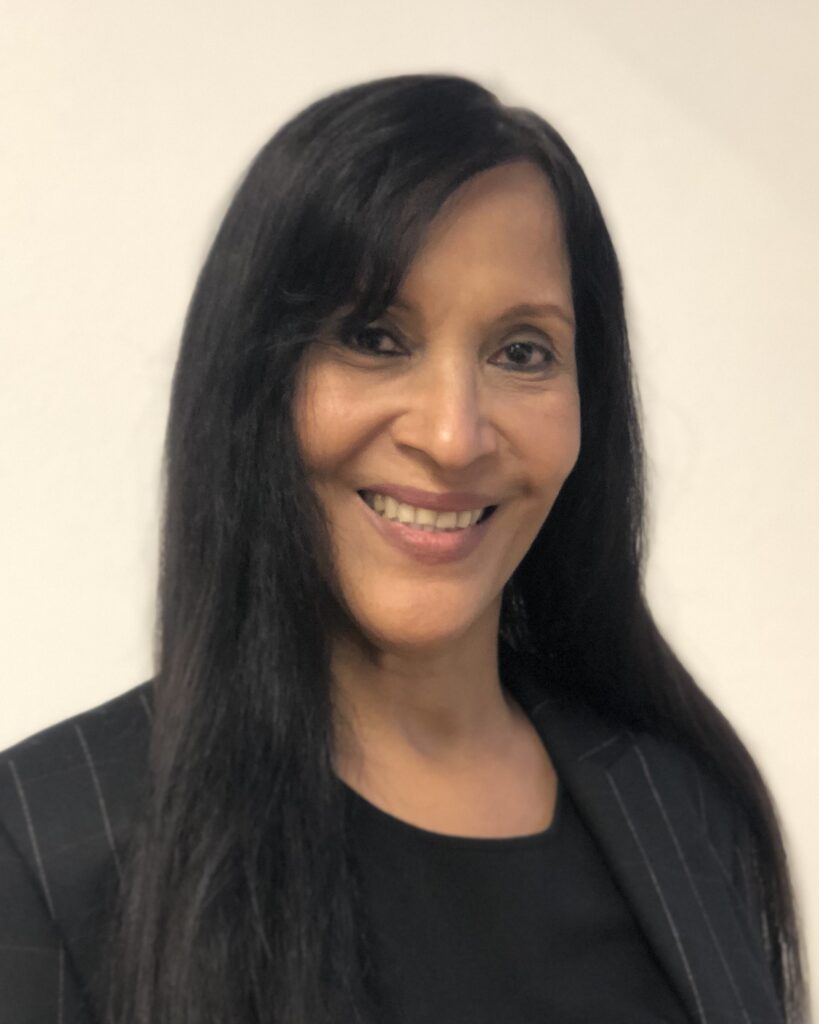
Digna V. Fort, MD
Medical Director | Physician
Digna V. Fort, MD is the Medical Director of BioFort’s consultancy. She has just over 35 years of clinical and administrative experience in emergency and disaster medicine. Dr. D.V. Fort is also a Diplomat and Fellow of the American Board of Disability Analysts.
In the 1990s, Dr. D.V. Fort served as Medical Advisor of the Health Commission for the Puerto Rico Senate and House Chamber. During her time in the legislature, she was responsible for bringing forth much needed reforms in Puerto Rico Health Care policy. She later developed a comprehensive emergency medical care department in Guaynabo, Puerto Rico (i.e., Guaynabo Medical Mall) and served as the Director of Health Services for approximately 10 years. Additionally, Dr. D.V. Fort initiated a certificate training program for paramedics and other first-responders.
Throughout her career, Dr. D.V Fort has strived to demonstrate her dedication to decreasing health disparities within the Commonwealth of Puerto Rico. She has conducted and/or participated in innumerous medical service missions throughout the island, particularly in the rural mountain regions. In 2010, she received the Golden Heart Award for her humanitarian efforts. With BioFort, she aims to optimize the equal opportunity of minority individuals to access education and healthcare.
Dr. D.V. Fort will soon be accepting new patients in Puerto Rico. She has a clinical interest in primary and preventative medicine, sexual health, geriatric care, and disability analysis. She recently published a comprehensive review on the urological management of sexual toxicities related to prostate radiotherapy [ https://pubmed.ncbi.nlm.nih.gov/32549795/] and on developing the masculine self-esteem towards cancer survivorship quality of life (https://pubmed.ncbi.nlm.nih.gov/32536830/).
Feel free to contact us. For questions about available services or to make an appointment, send an email to info@biofort.io or appointments@biofort.io, respectively.
If you are an existing patient and require a medication refill, send an email to refills@biofort.io with your name, date of birth, and medication name.
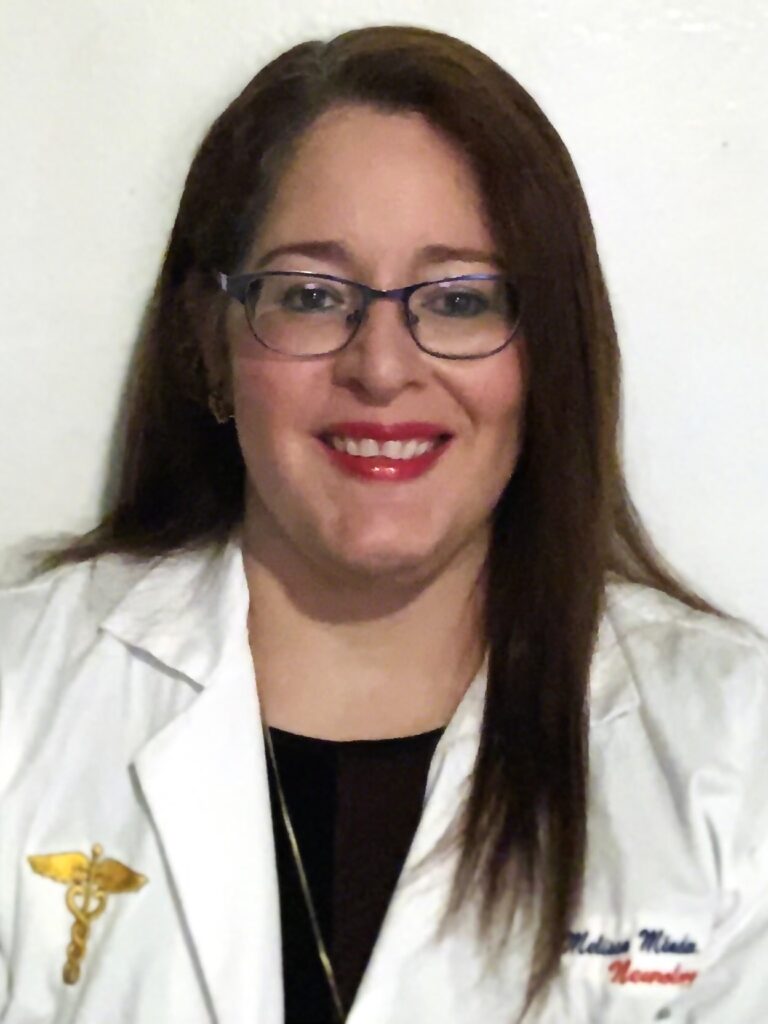
Melissa Mendez, MD
Physician-Scientist
Melissa Mendez, M.D. is a consultant for BioFort. She is a neurologist with 25 years of clinical experience in academic and private practice. Dr. Mendez received her medical training and completed her neurology residency at the University of Puerto Rico School of Medicine in San Juan, Puerto Rico. She completed fellowships in neurophysiology and epilepsy and sleep medicine at Duke University Medical Center in Durham, North Carolina. Dr. Mendez is a Diplomat of the American Board of Psychiatry and Neurology, with Subspecialty Certification in Clinical Neurophysiology and is a Diplomat of the American Board of Sleep Medicine.
Dr. Mendez is presently the Medical Director of SleepNet Sleep Center in Bayamon, Puerto Rico; she has a clinical interest in sleep medicine, including sleep disordered breathing, parasomnias and epilepsy. Her research interests focus on the relationship between epilepsy and sleep. She is also interested in the neuro-pathophysiology of radiation-induced sexual toxicities. Dr. Mendez has recently published a seminal review on the pathophysiology of sexual dysfunction arising from prostate cancer radiotherapy [https://www.ncbi.nlm.nih.gov/pmc/articles/PMC7163290/].
Dr. Mendez is currently accepting new patients from Puerto Rico. To make an appointment, please call: (787) 778-0329
BioFort Services.
…
BioFort Medicine
doctor@biofort.io
BioFort Science
scientist@biofort.io
BioFort Law
lawyer@biofort.io
BioFort Education
Coming Soon.